Dado – Biographical timeline
The 1990s
Click on the images to enlarge them
(large and extra large sizes)
❧
Fullscreen
slideshow
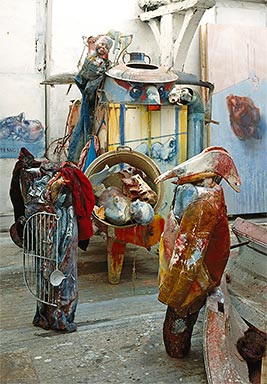
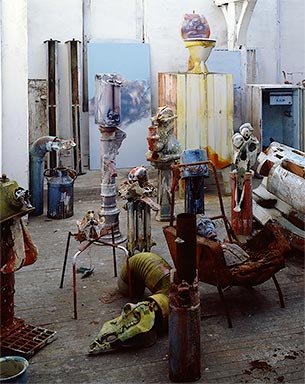
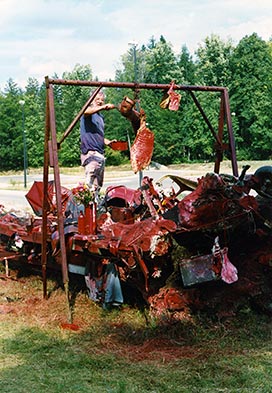
1990The sculptures made after the fire are exhibited as a whole. Collaboration with Pierre Bettencourt, which turns into an artist’s book, Les Plus Belles Phrases de la langue française. The engravings are made from existing plates dating from the 19th century reproducing paintings by Great Masters. Reworked by Dado, they are coloured by Alain Controu using a technique called “à la poupée (with the doll)”.
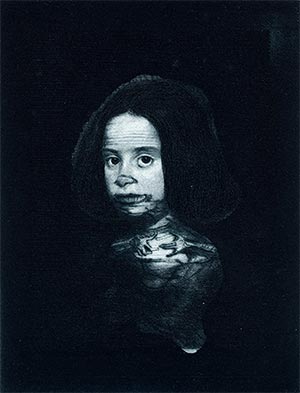
Right: Frontispiece of Les Plus Belles Phrases de la langue française, 1990, etching, aquatint and drypoint, plate 18 × 23,5 cm, pulled on Arches paper 28 × 38 cm. Alain Controu, printer.
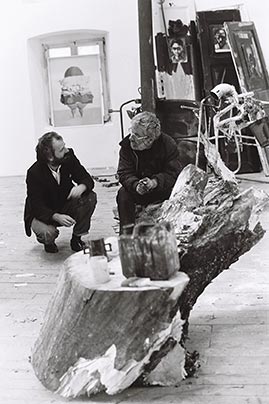
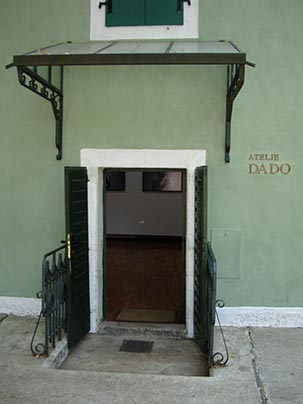
Right: The entry of Dado’s Studio (Atelje Dado), on the King Nikola’s square in Cetinje.
1991Shortly before the wars in Yugoslavia broke out, Dado, invited by Prince Nikola Petrović-Njegoš, takes part in the first Biennial of contemporary art in Cetinje, his native town, where he makes an installation in homage to the writer Danilo Kiš, recently deceased. An “anti-museum” is created, that in 2002 will become Atelje Dado, an artist residency and space for temporary exhibitions of contemporary art under the responsibility of the National Museum of Montenegro. Publication of the monograph by Alain Bosquet at Éditions de la Différence, Dado. Un univers sans repos.
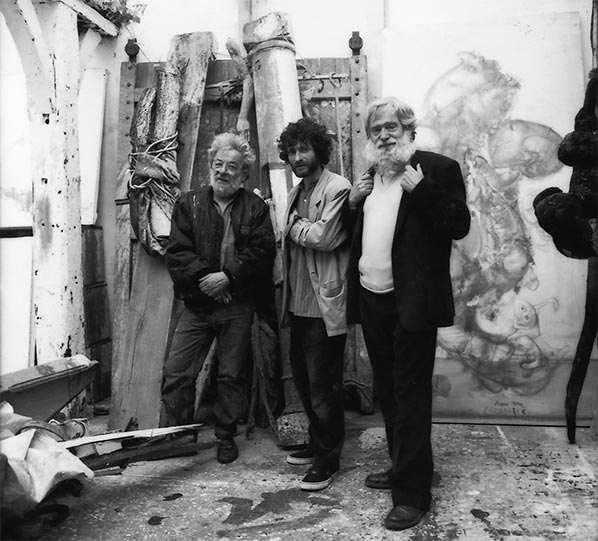
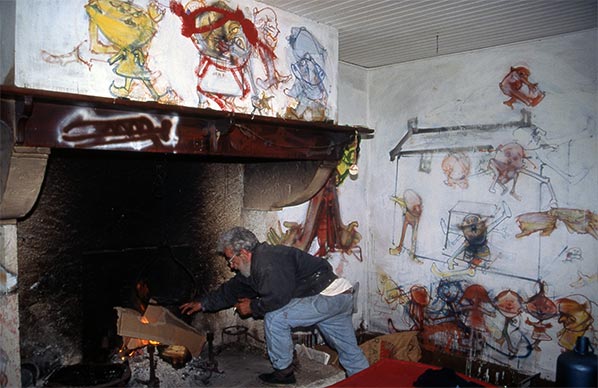
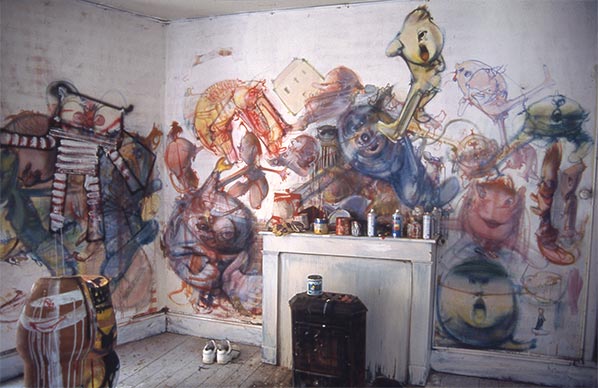
Advance the slideshow manually with the left and right arrow keys on your keyboard. ❧ Hover over the images for captions. ❧ Click on the images to enlarge them (large and extra large sizes).
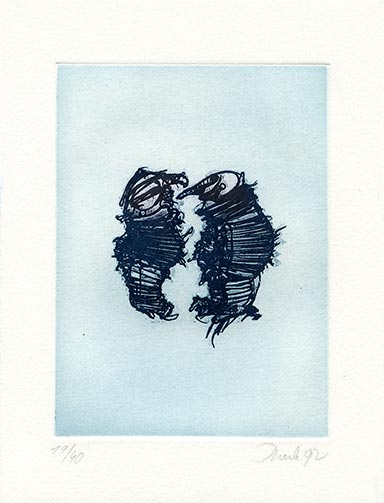
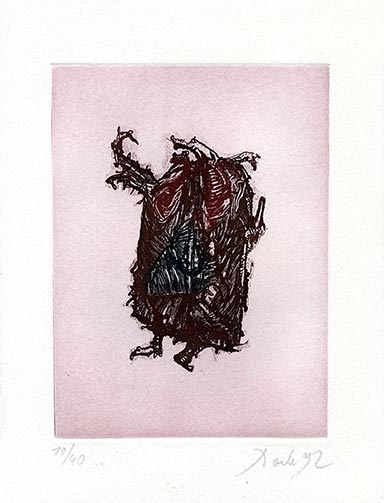
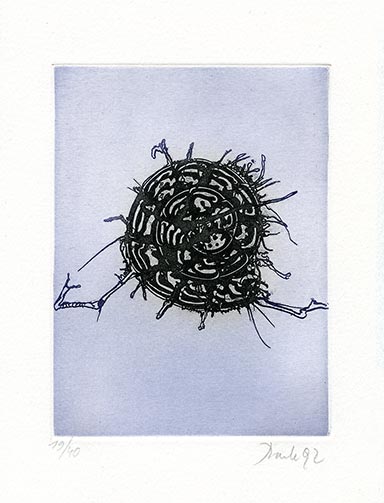
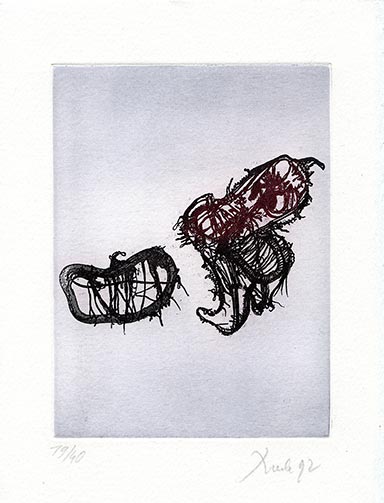
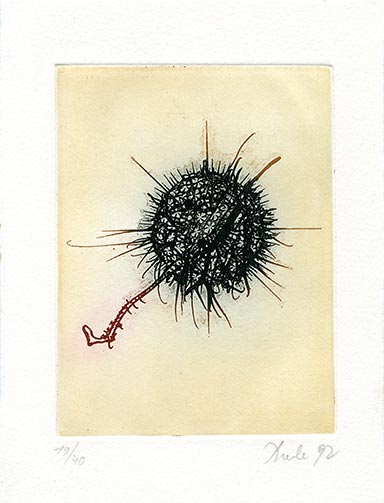
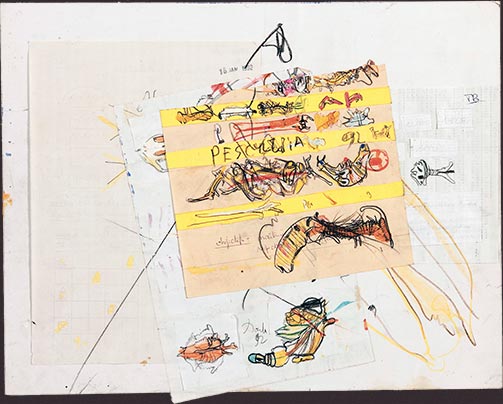
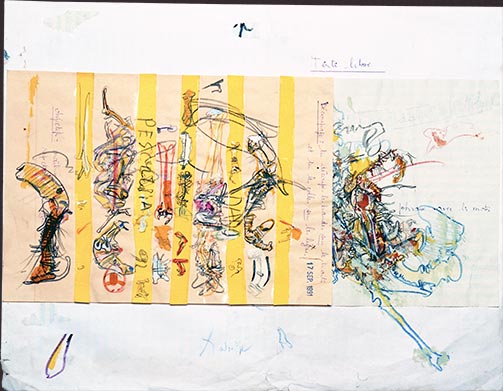
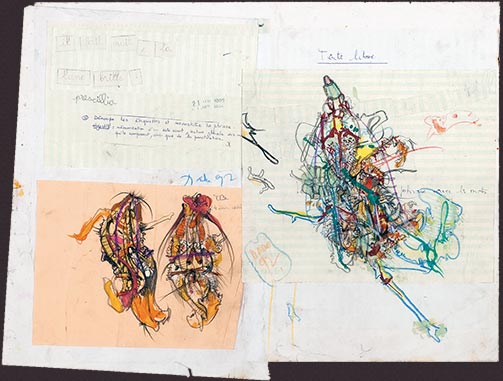
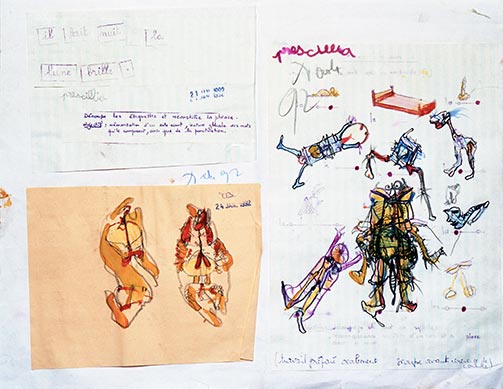
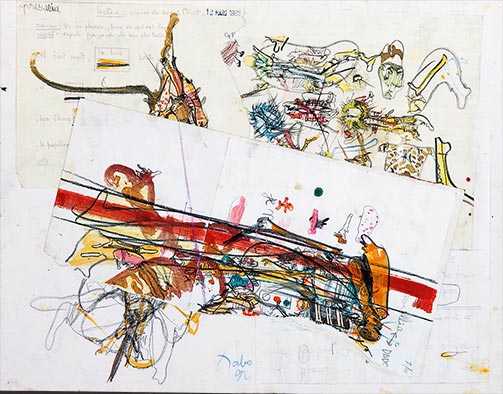
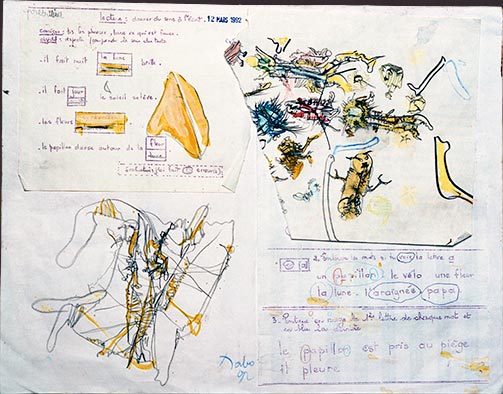
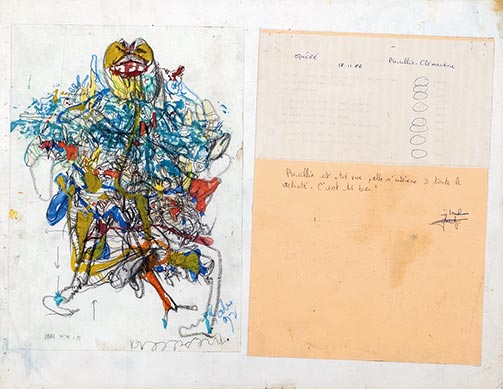
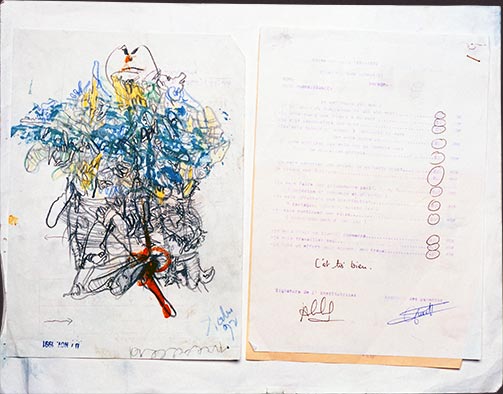
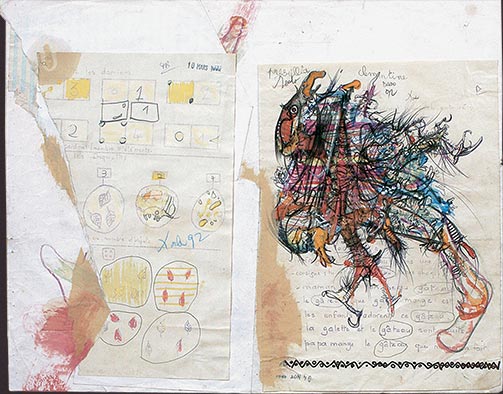
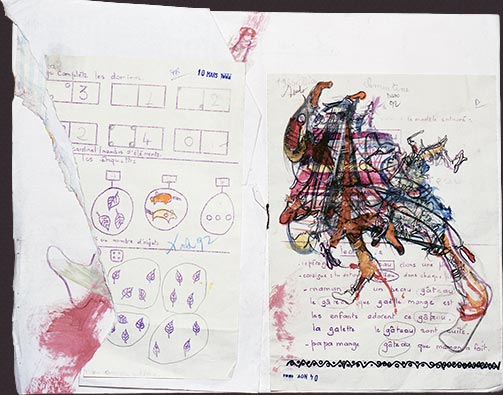
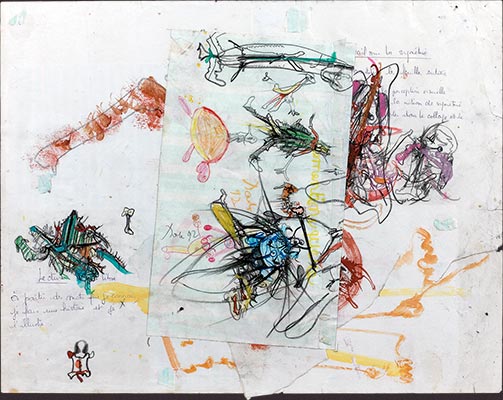
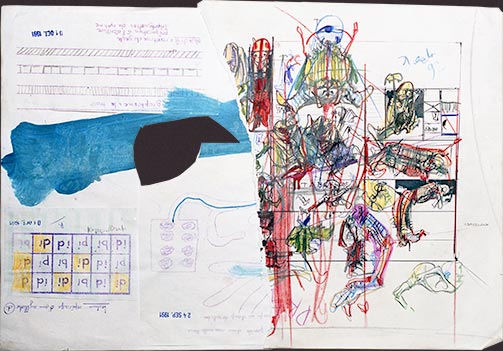
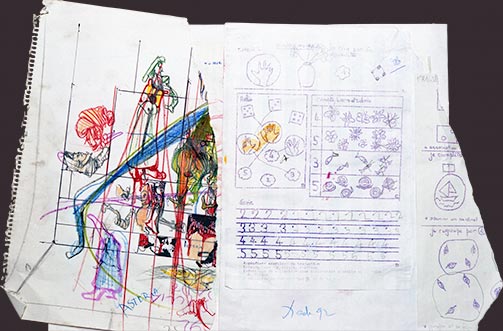
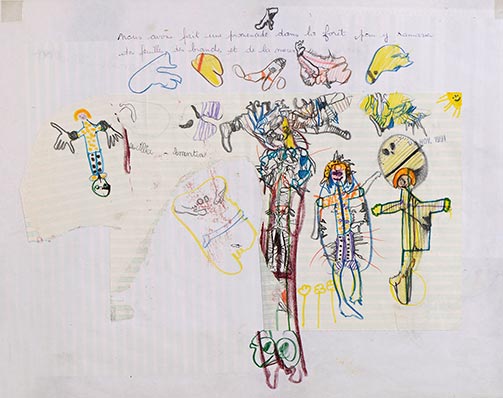
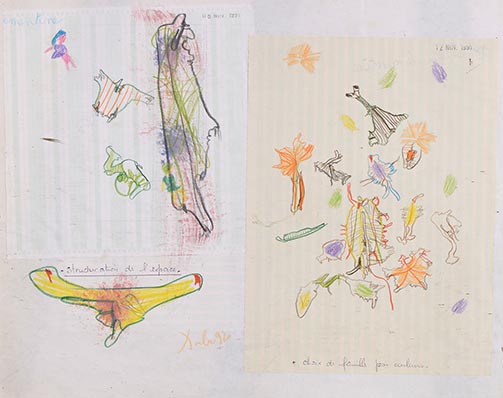
1992A new book for collectors, Le Don de langue, with Claude Louis-Combet and Alain Controu. Publication of Dadomorphes et dadopathes at Éditions Deyrolle. First sojourns into the Aveyron, at Bez-de-Naussac, where Dado settles in the family house of Dr Monique Arnal which used to belong to her aunt, Maria Lauret. The house is exchanged for a series of paintings which the Arnal family will eventually donate to the Abbaye de Beaulieu in 2021. Dado sets up a studio and uses the sheets belonging to Maria Lauret as supports for his paintings as well as her personal objects to create reliquaries. He works on the exercise books of Prescillia, the daughter of his friend Jim Staelen. Series of the “Memoirs of the Cardinal de Retz”.
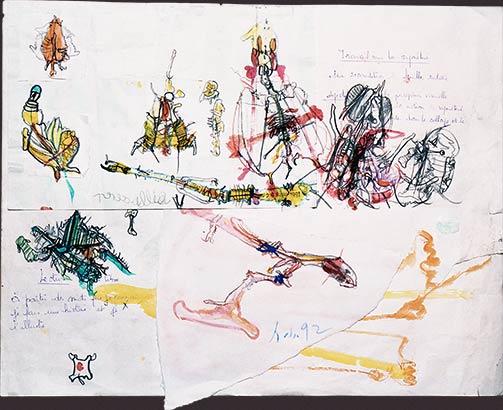
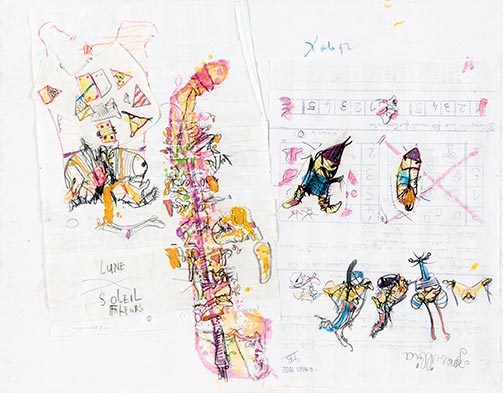
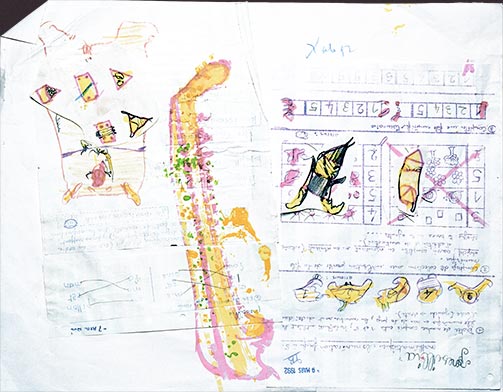
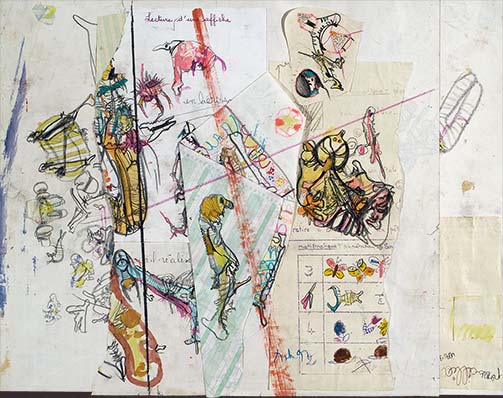
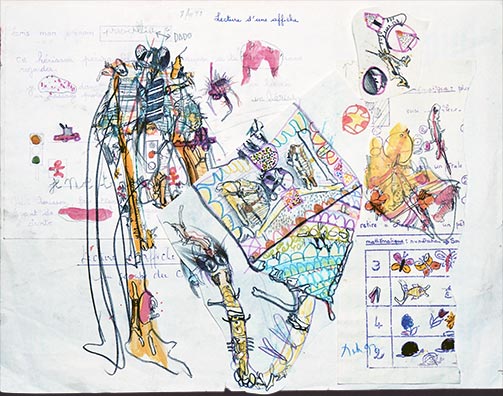
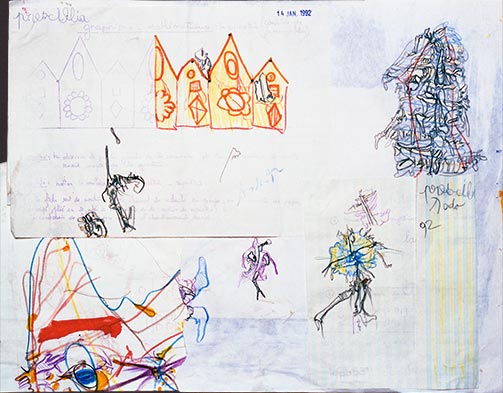
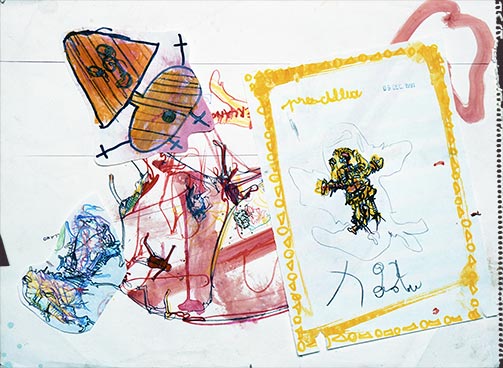
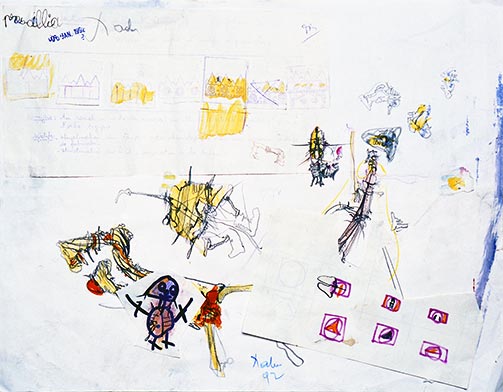
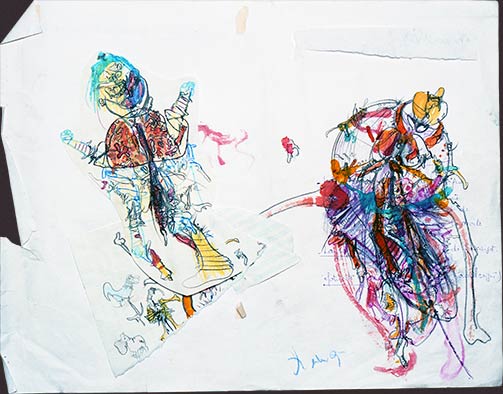
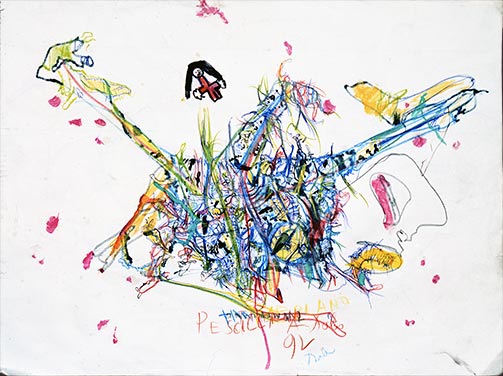
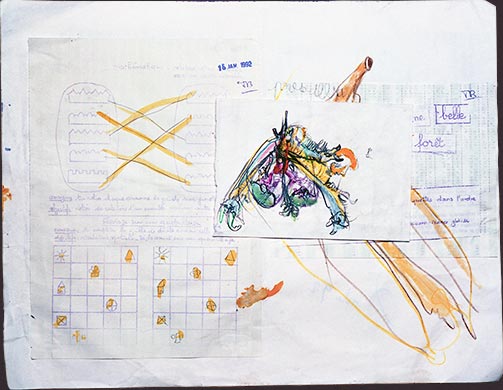
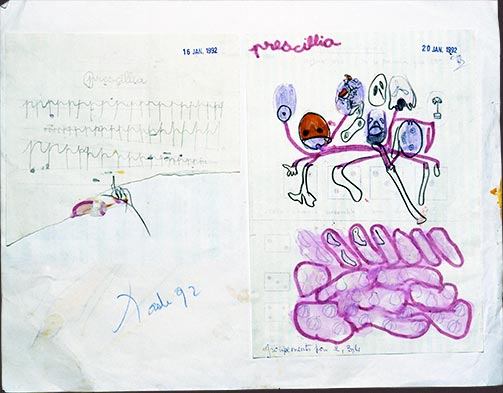
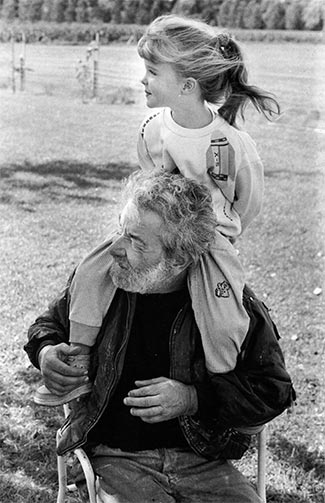
1993Dado produces the sets for Tamerlano by Handel, staged by Jean-Louis Martinoty, director of the Opéra de Paris for the Karlsruhe Opera.
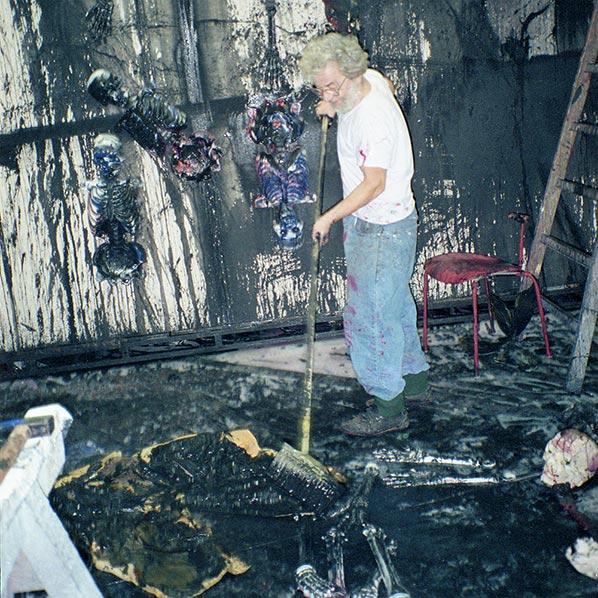
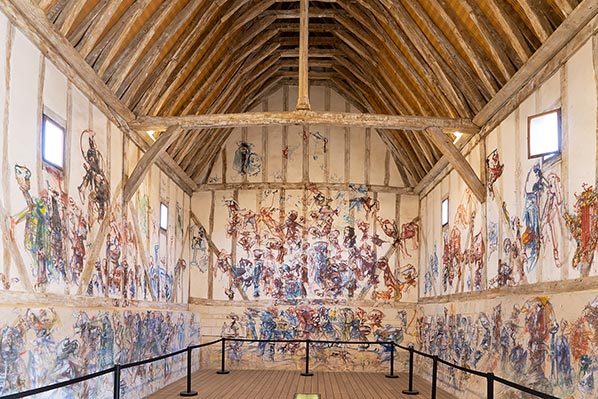
1994In full-blown Yugoslav wars, Dado takes over the Orpellières, a disused wine-making place located in Sérignan, invited by André Gélis, mayor of the commune. The artist regularly stays there until 1999, the date of the inauguration, and creates mural paintings and sculpture-objects, a “Guernica in colours” (Alain Jouffroy). Dado begins working “outside the studio”, and continues in that fashion with the “Embassy of the 4th Internationale” (in Montjavoult), the chapelle Saint-Luc (Gisors) and the blockhouse in Fécamp. Exhibition of the works made in the house of Bez-de-Naussac at Musée Denys-Puech in Rodez. Dado receives a very fine letter from philosopher Gilles Deleuze, who has discovered his works from reproductions thanks to Dr Gilles Degois.
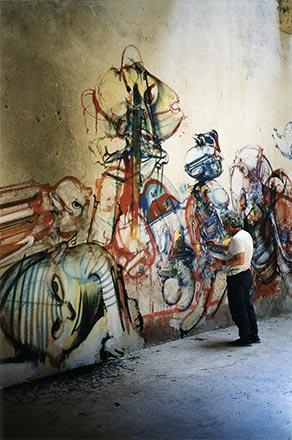
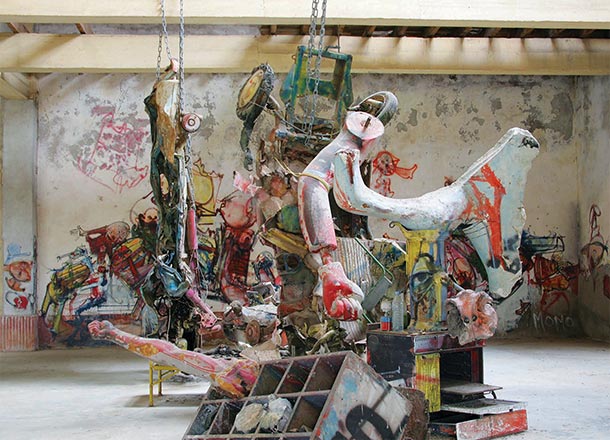
1995His collaboration with Pierre Bettencourt continues and a new collector’s book is published, Les Négriers jaunes, by Rémi Maure.
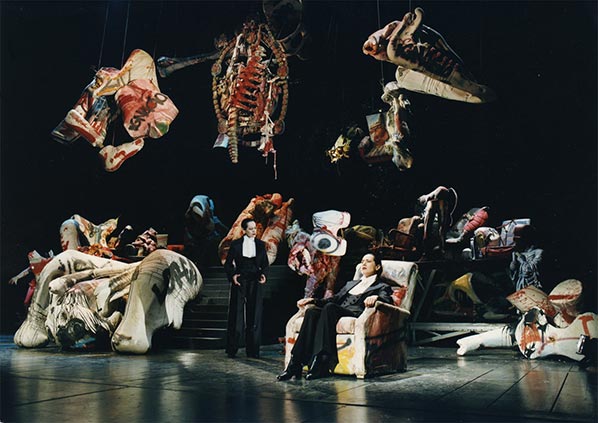
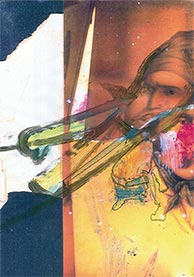
1996Sets and costumes for the stage production of Llanto por Ignacio Sánchez Mejías by Frederico García Lorca, produced by Pierre Jourdan, and performed in February at the Théâtre Impérial of Compiègne, recently reopened. Dado organises a collection for James G., detained at the prison of Beauvais, by appealing to artist friends like Bernard Rancillac, Gérard Fromanger and Erró, in exchange for a print he makes especially for the occasion. In the printing studio of his sister Marija, Dado starts making digital collages from gouaches by the dermatologist Dr Jean-Louis Alibert. He also begins making mural paintings with the graffiti artist Stéphane Bausch in the “Embassy of the 4th Internationale” in Montjavoult. Dado starts the series of Méchantes Petites Filles (MPF) [Mean Little Girls].
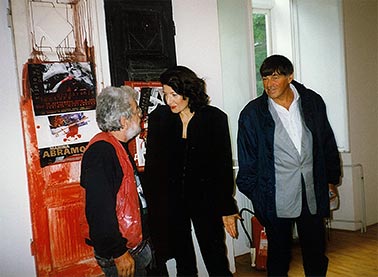
Right: Dado, Marina Abramović and Prince Nikola Petrović-Njegoš at the Third Biennial of Contemporary Art at Cetinje. Photo: Marija Bajagić.
1997Following a trip to Guatemala with his son Malcolm, Dado completes Tikal, a painting he donates to the Centre Pompidou the following year. After the sale of the Galerie Beaubourg, Dado starts collaborating with the Galerie Rachlin-Lemarié Beaubourg. Retrospective dedicated to Robespierre at Centre Noroit, in Arras. Series of Carthusians.
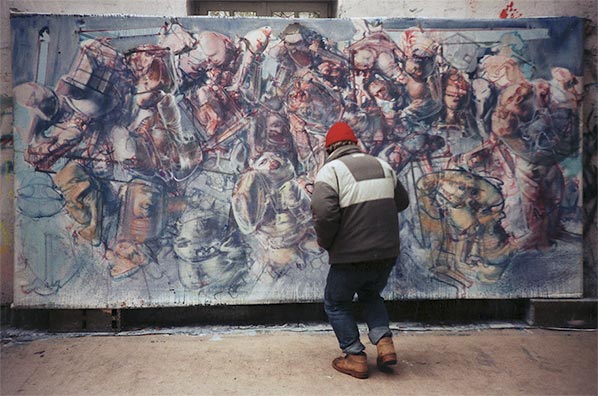
1998Dado makes pots and other ceramics that he instals in the pharmacy of Dr Manuèle Dufour in Gisors.
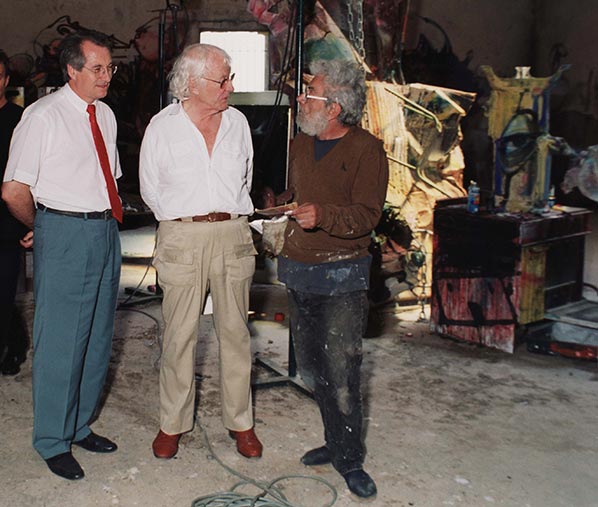
1999Official opening of the Orpellières. Dado starts to paint in the Chapelle Saint-Luc (Gisors), a former leper hospital dating from the beginning of the 13th century, invited by Marcel Larmanou, mayor of Gisors.