Dado – Biographical timeline
The 2000s
Click on the images to enlarge them
(large and extra large sizes)
❧
Fullscreen
slideshow
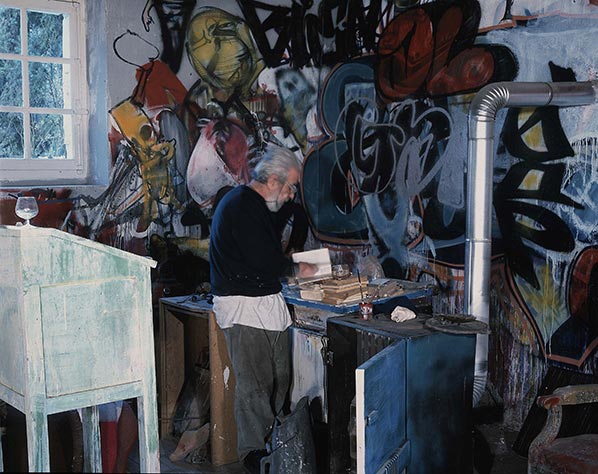
2002The exhibition with his friend Bernard Réquichot, “Dado-Réquichot. La Guerre des nerfs” opens in February at the Abattoirs in Toulouse.
Making of The School of Prescillia, donated to Centre Pompidou in 2006. This painting will be followed by a series of paintings on school, “the Jules Ferry’s mould” that Dado was obsessed with, like The School of Ivo (from his grandson’s name), kept at Musée régional d’art contemporain Languedoc-Roussillon in Sérignan.
Dado starts a short-lived collaboration with the Galerie Alain Margaron, a collaboration that contributes to convince him to work outside the art market system.
Last trip to Montenegro in the autumn for the big exhibition of his work at the National museum of Montenegro in Cetinje.
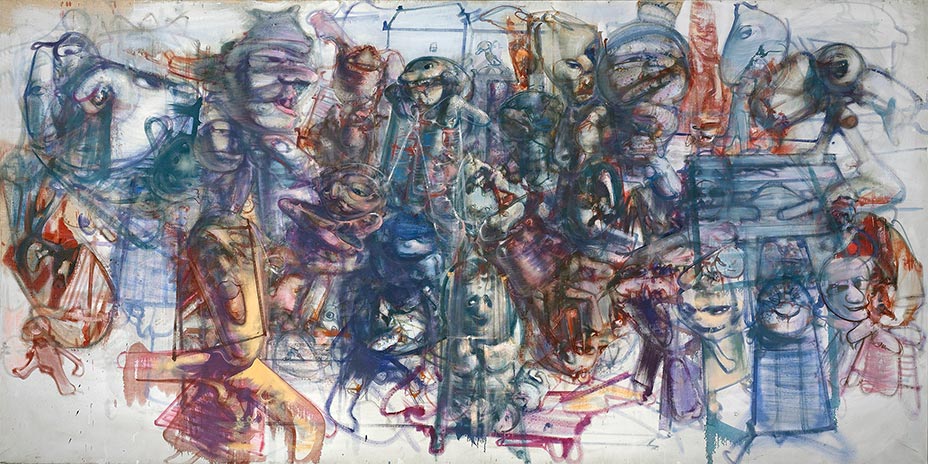
Photo: Centre Pompidou / MNAM-CCI / Georges Meguerditchian / Dist RMN-GP.
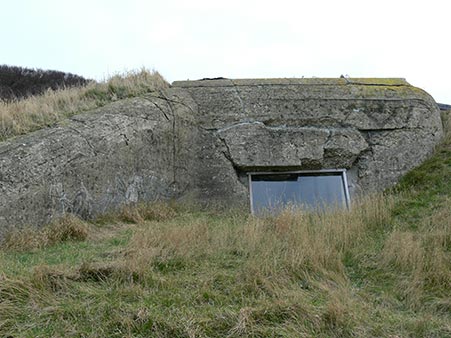
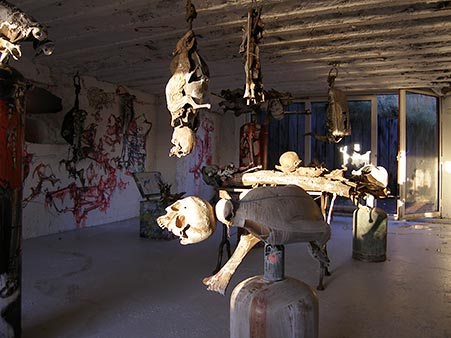
2003Following a productive collaboration with the founder Régis Bocquel, Dado takes over the blockhouse at Fécamp, built in 1942 by the occupying German forces. After having painted on the walls, he instals bronzes made from various elements like a gas cylinder, Christ, bather, the corpse of a cat as well as famous motifs like the woman with a helmet from the Departure of the Volunteers of 1792 by François Rude and The Winged Victory of Samothrace.
2004Begins a collaboration with Matthieu Messagier with the publication of a collector’s book, Une clarté sessile, at Fata Morgana, illustrated with six original lithographs. Takes part in an exhibition for the centenary of the paper L’Humanité, “Cent peintres pour les cent ans de l’Huma”.
Advance the slideshow manually with the left and right arrow keys on your keyboard. ❧ Hover over the images for captions. ❧ Click on the images to enlarge them (large and extra large sizes).
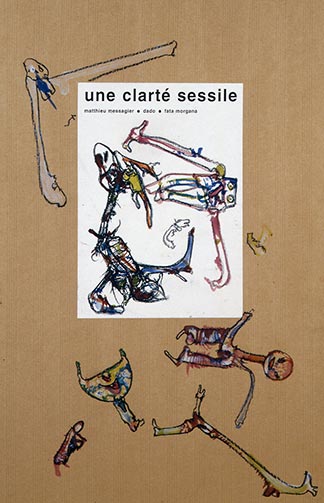
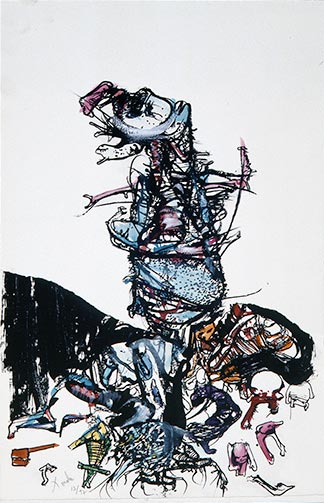
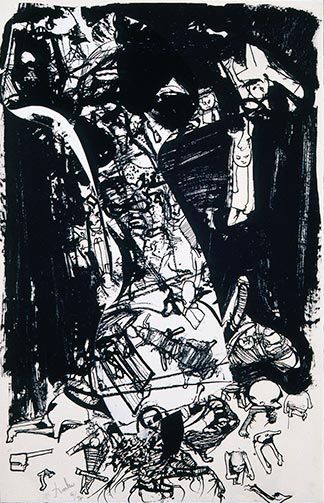
Photo: Domingo Djuric.
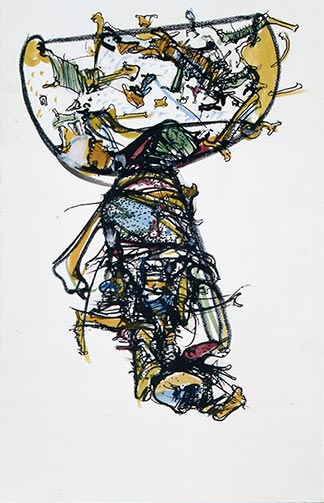
Photo: Domingo Djuric.
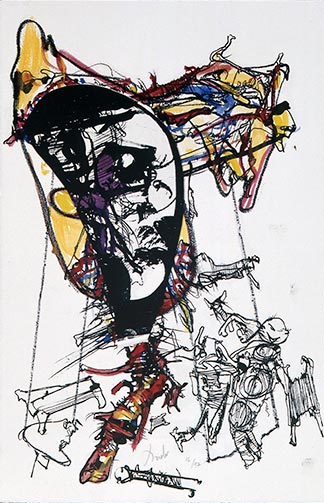
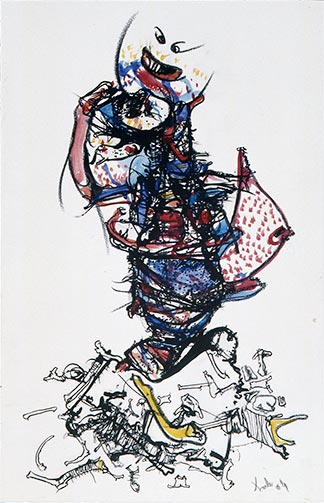
Photo: Domingo Djuric.
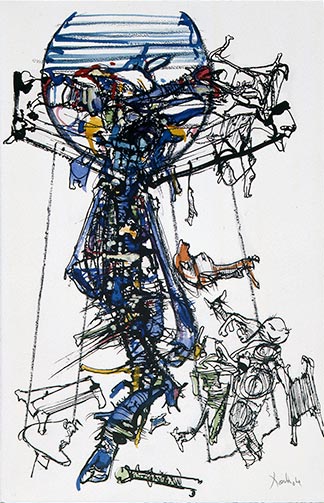
Photo: Domingo Djuric.
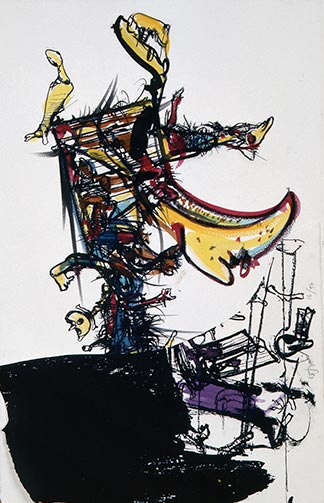
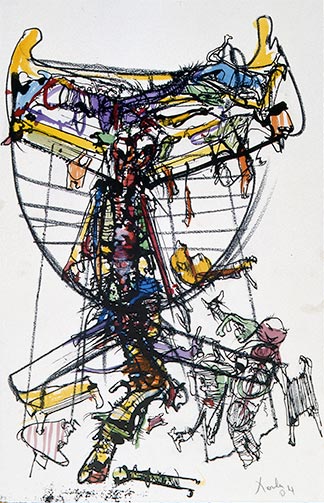
Photo: Domingo Djuric.
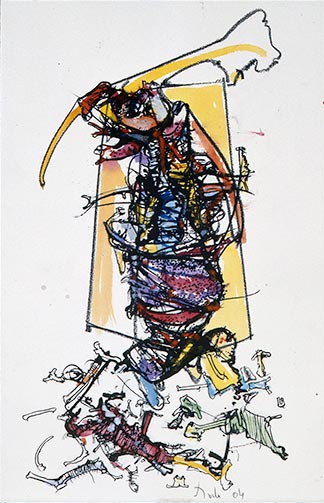
Photo: Domingo Djuric.
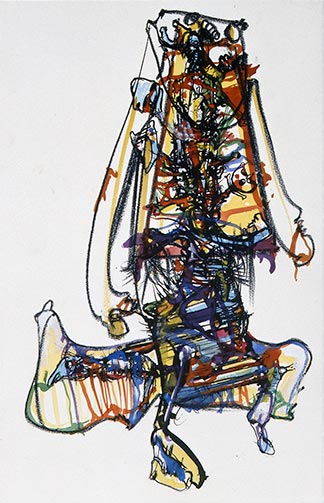
Photo: Domingo Djuric.
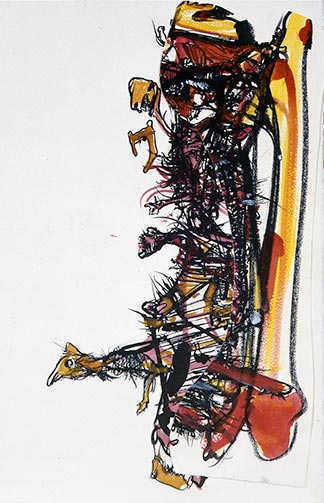
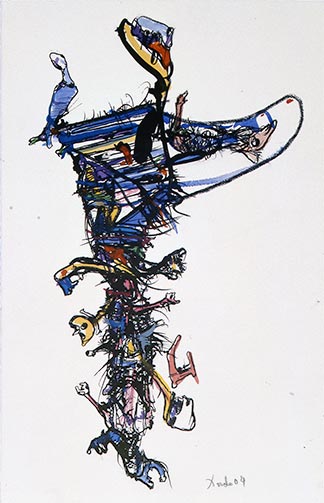
Photo: Domingo Djuric.
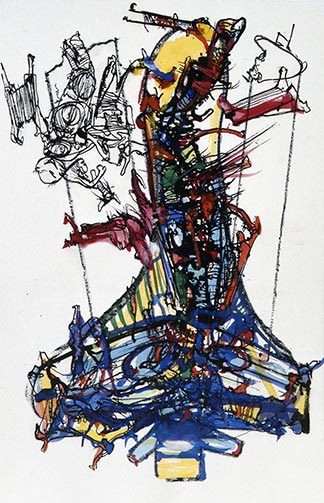
Photo: Domingo Djuric.
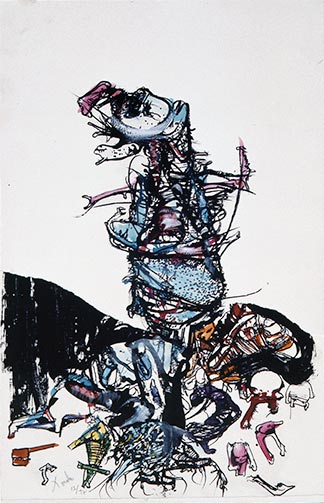
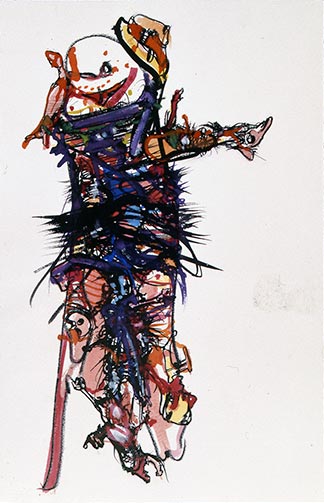
Photo: Domingo Djuric.
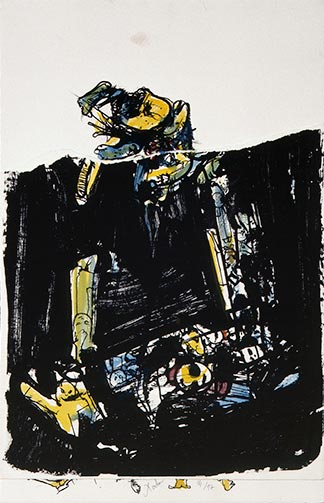
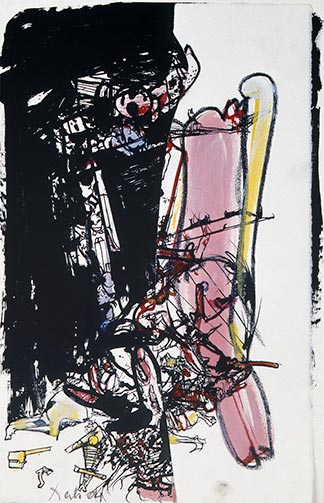
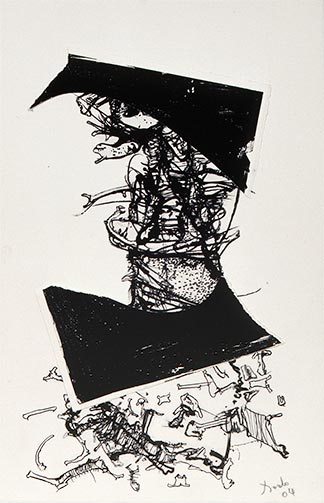
2005Publication with Léo Scheer of Notes du dehors, manuscript by Matthieu Messagier illuminated by Dado.
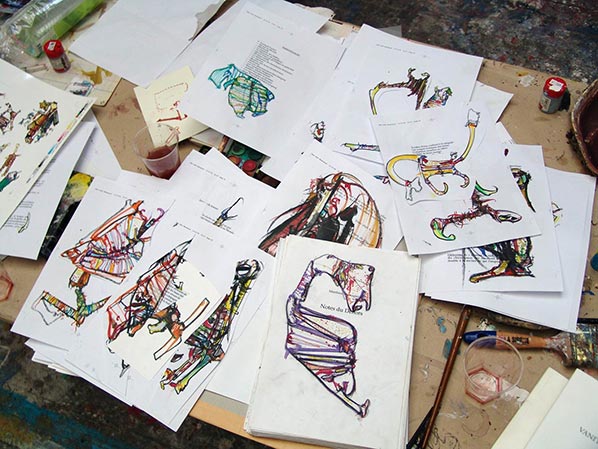
2006Produces the series The Birds of Auschwitz from the plates of an ornithology book and reproductions of the manuscript of the novel Suite française by Irène Némirovsky kept at Institut Mémoires de l’édition contemporaine (IMEC). Deposit of a large quantity of archives at IMEC, thanks to Yves Chevrefils-Desbiolles, in charge of the artists’ funds.
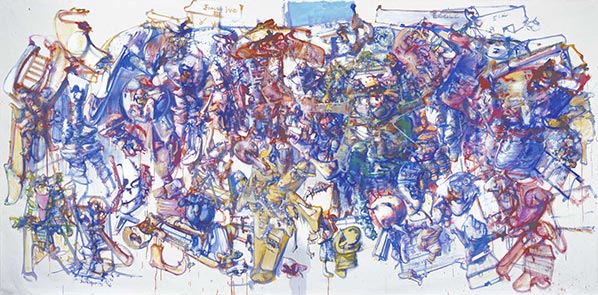
FNAC 07-516. Centre National des Arts Plastiques – Ministère de la Culture et de la Communication, Paris.
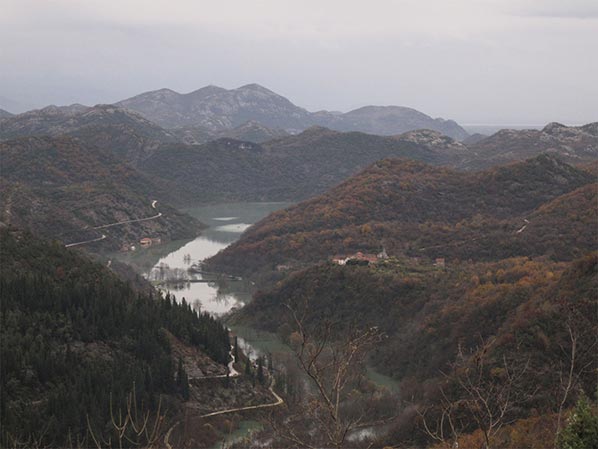
2007Acquisition by Fonds national d’art contemporain of a large format painting, Suite française (2006). Publication of The Birds of Irène at Éditions de la Différence, with texts by Claude Louis-Combet and Yanitza Djuric. Following a coma caused by a serious respiratory failure, Dado expresses his wish to be buried in Koščele (Montenegro), a hamlet situated some ten kilometres from Cetinje, from where one can see both the river Rijeka Crnojevića and Lake Skadar.
He’s passionate about digital, whose possibilities he can see, and creates this website with his son-in-law, Pascal Szidon, a kind of testamentary work in which he decides to revisit his whole oeuvre.
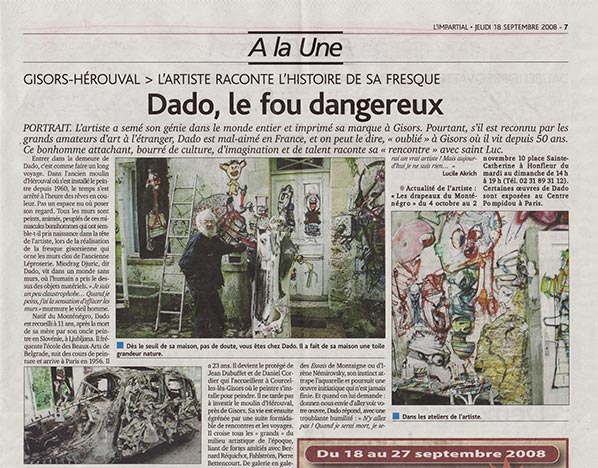
2008Uploading of Dado’s official site on 31 August, “Syndrome Dado”, on the URL http://www.dado.fr/ and http://www.dado.me/. On that occasion, Dado makes works especially for the screen, among them collages from photographs by Domingo. Makes mural paintings in Hérouval.
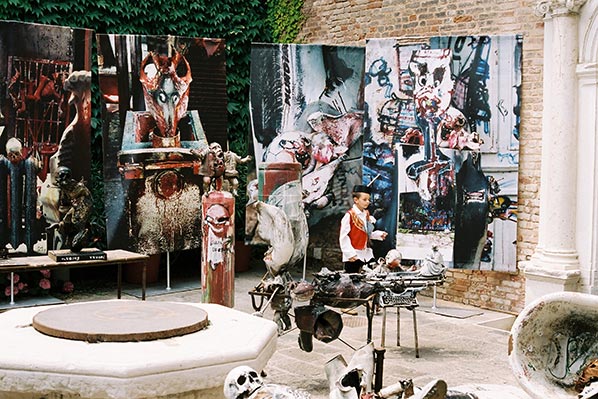
2009Dado represents Montenegro at the 53rd Venice Biennale, with a series of bronzes and canvas sheets reproducing photos of the burnt studio taken in 1989 by Domingo. Called “Les Élégies Zorzi” [Zorzi Elegies], the exhibition gives him an opportunity to pay homage to all his deceased friends: Bernard Réquichot, Hans Bellmer and Unica Zürn, Robert and Christophe Malaval, Öyvind Fahlström…
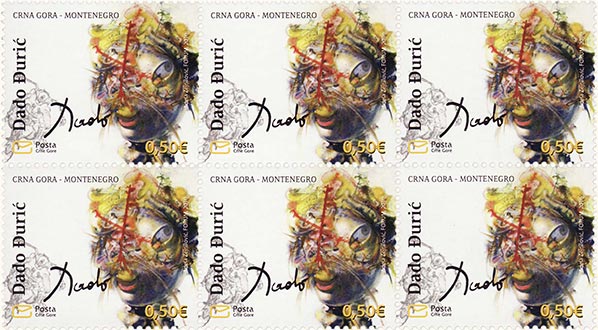
2010In August, Dado receives the 13 July Award, the highest national distinction in Montenegro.
From 15 September to 31 October 2010, nine large canvas sheets specially made by Dado for the occasion, from highlighted photographs, are exhibited in Shanghai, in the Montenegro Pavilion of Expo 2010.
At the beginning of November, Icom-Unesco recognises Dado’s website as a museum in its own right, and gives it the right to use the internet domain of first level “museum”, reserved, until 2018, for the sole use of museums. The English version of the site is uploaded on URL http://www.dado.virtual.museum/.
Dado passes away on 27 November at the Pontoise hospital.
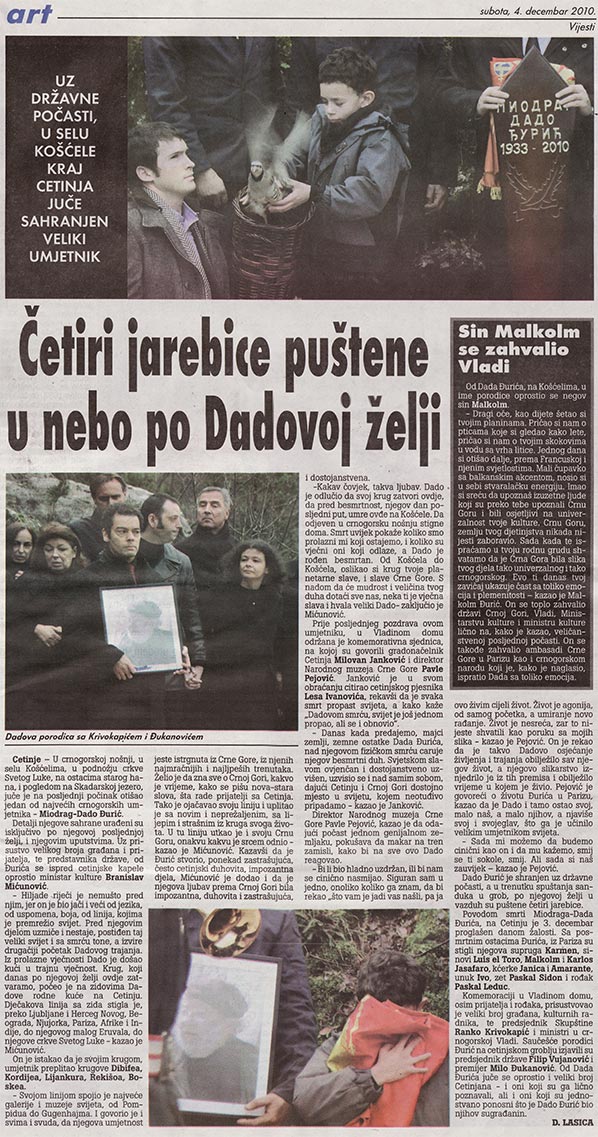
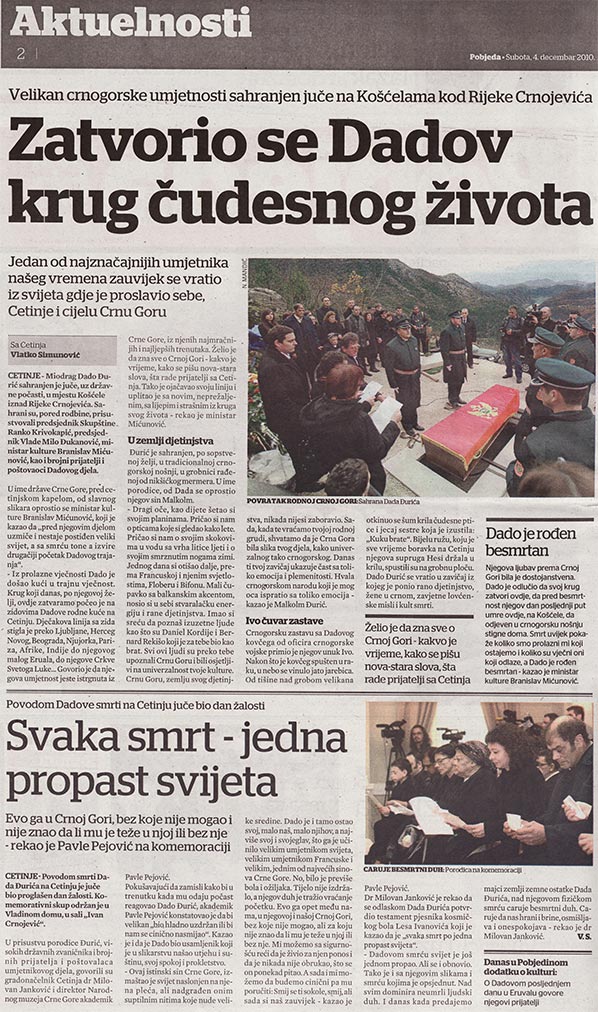
After a ceremony in the museum of Cetinje, his native town, Dado, dressed in the traditional Montenegrin costume, is buried in a state funeral on 3 December in Koščele, near Rijeka Crnojevića in Montenegro.
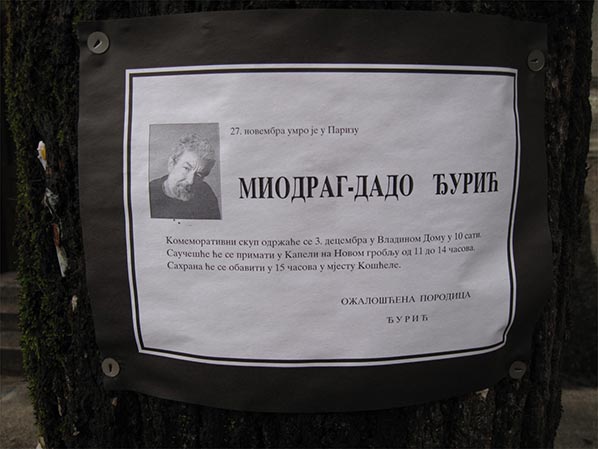
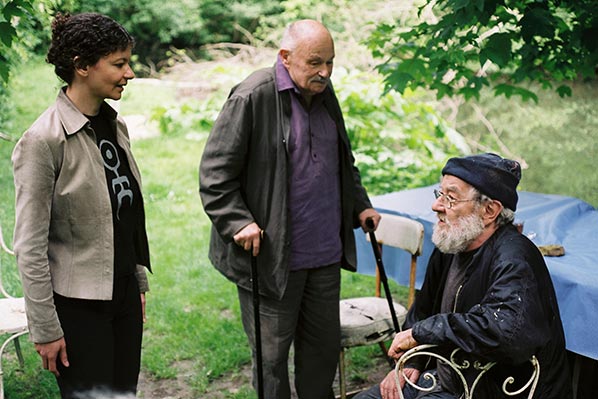
Photo: Pascal Szidon.